


Welcome back to this reflection on identity. In the introduction, we opened the door to the questions that shape who we are. Now, in Part I, we begin the journey inward with a quiet exploration: Understanding Identity.
1. The Innocence of Discovery
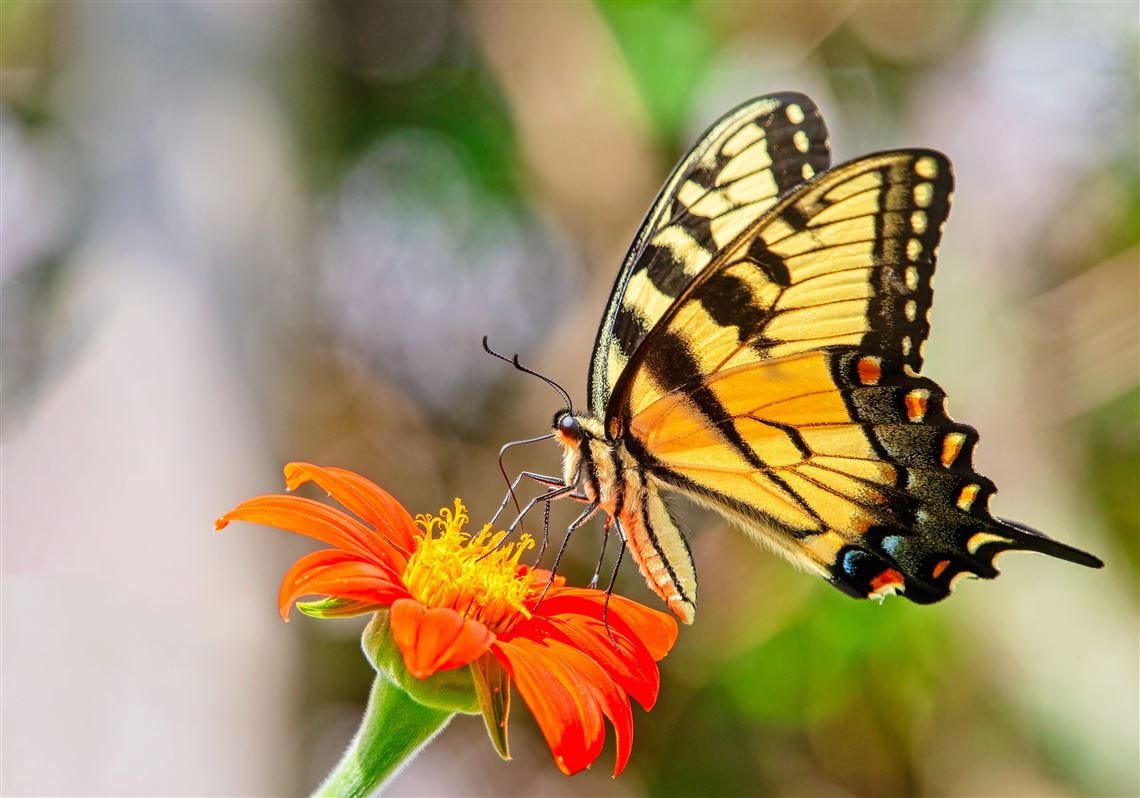
When I was a child, I would sometimes spend long hours alone—or nearly alone—in the fields, watching butterflies. In the stillness—that particular kind of silence only children seem to know how to inhabit—if you stayed perfectly still, truly still, with your mind cleared of the little storms of childhood, sometimes one of them would land on you, mistaking your body for a branch or a piece of bark.
At that age, life seemed simple, radiant, self-evident—as it often does before we learn to be wary of the world.
Sometimes, with friends, we would chase them laughing, trying to catch them—clumsy but fascinated—and what I began to realize then was that these creatures were as fragile as they were beautiful. A mere breath was enough to send them flying. A single curious finger could damage their wings.
2. The Hidden Work of Becoming
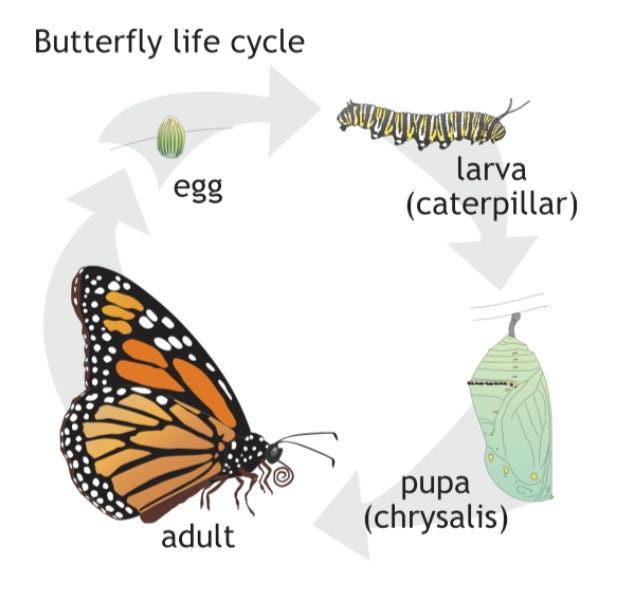
It was only much later that I understood: no butterfly is born a butterfly. Behind the lightness of their flight lies a slow and meticulous metamorphosis, a process made up of necessary stages—sometimes invisible, always essential.
It all begins with an egg—tiny, almost invisible—carefully placed on a chosen leaf. Nothing moves, and yet everything begins there, in that imperceptible point of life to come.
Then comes the caterpillar: ravenous, awkward, eating without end, growing so quickly it must shed its skin again and again—each molt both a surpassing and a shedding, a gain and a letting go.
One day, it stops eating, stops moving, clings to a branch, and becomes a chrysalis. Everything seems still. But inside, the world is turning: it’s no longer a body that grows—it’s an identity that’s being rebuilt.
3. From Caterpillar to Flight: A Truth We Forget
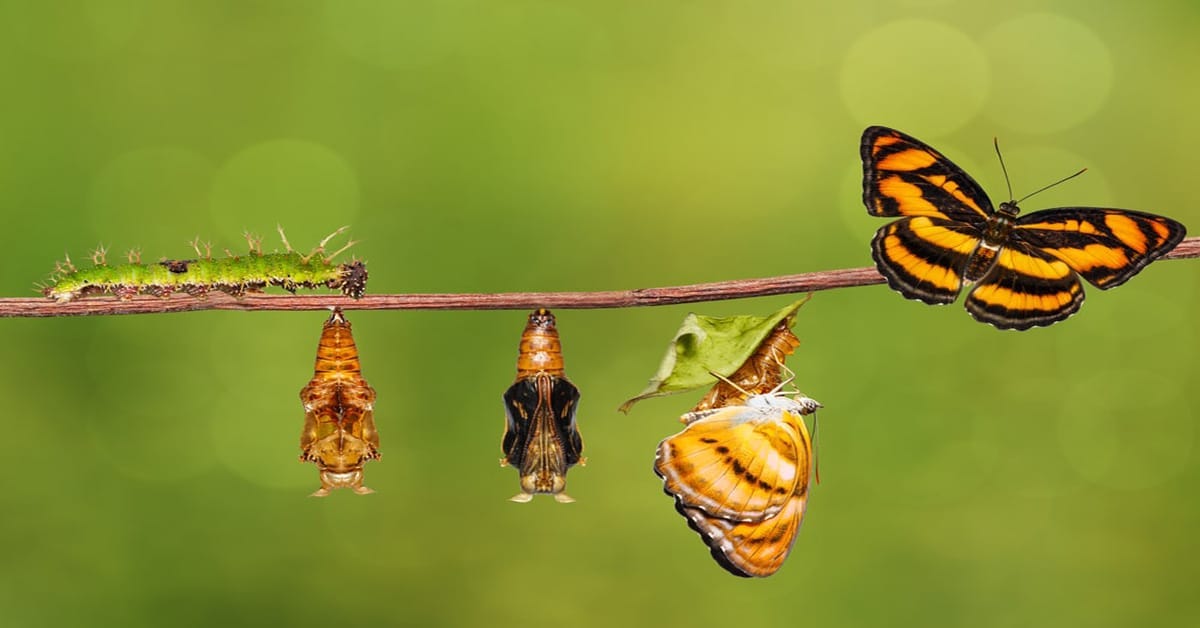
And when at last the chrysalis cracks, and the butterfly emerges—trembling, vulnerable, its wings still wrinkled from the wait—it isn’t simply an appearance, but the culmination of a long, silent, almost painful labor.
It must wait still, stretch its wings, let them dry—before it can take flight. That flight we admire, that graceful movement we assume is natural, is in truth the result of a slow becoming—unseen, but vital.
And all of this brings us back to a simple truth we too often forget: the butterfly wasn’t always a butterfly. And it wasn’t always admired. Let’s be honest—who really loves caterpillars? That crawling, awkward, lackluster body rarely inspires awe. Yet without the caterpillar, there is no butterfly. Without that phase, there are no colors, no flight.
It echoes a truth expressed by Amin Maalouf:
“Identity is not given once and for all; it is built up and transformed throughout a person’s life.”
Thank you for reading this first exploration of identity with me.
If this reflection on transformation and growth resonated with you, I’d love to hear from you.
Hit the comment button and share your thoughts—I read them all.
🐛 1. Is there a part of you right now that feels like it’s still growing—maybe a little messy, a little unsure—but quietly becoming something more?
🦋 2. Is there something inside you that’s changing—something others might not see yet, but you can feel taking shape?
🌱 3. Have you ever looked back on a past version of yourself and felt embarrassed… but maybe that version was actually doing its best to get you here?
This was only the beginning.
In the next chapter of Understanding Identity, we’ll continue this journey inward—following the thread of who we are, and who we thought we had to become.
Warmly,
Odel Asseille
The Mirror Room – First Edition
I like caterpillars. All those tiny crawly feet, the undulating way they move — and let‘s never forget the wise one from Alice ;)
This piece is evocative and articulate. Your close familiarity with nature is a great advantage for you, as so much insight springs from observation of nature. I think, since you have the ability to capture a reader’s attention, you could afford to make your pieces a bit longer and expand more on your point. Sorry to sound like a school teacher - just take it as an old guy rambling on!